
Exploring Mill Colonnade Karlovy Vary Architecture Details
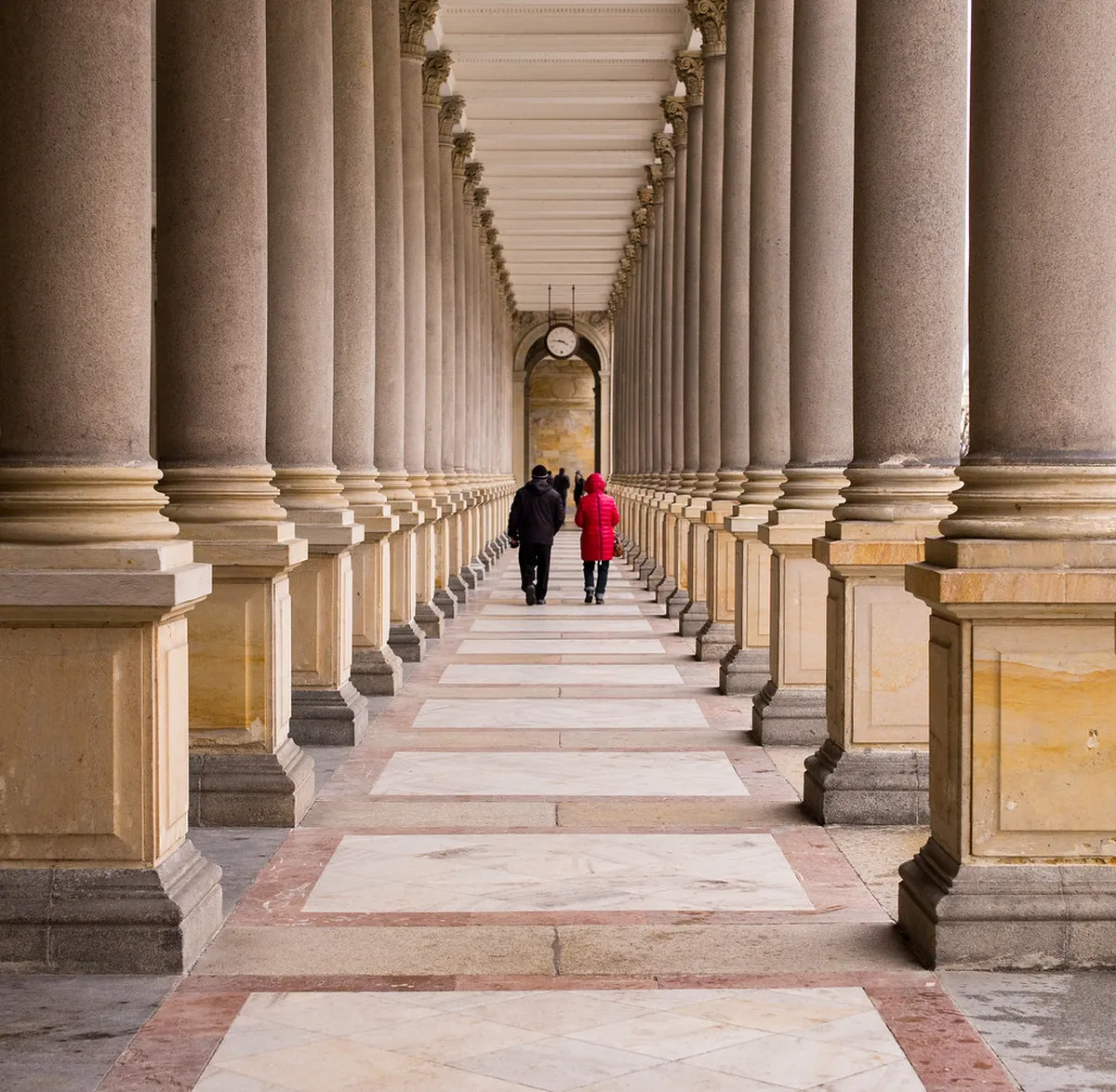
The Mill Colonnade Karlovy Vary architecture details are famous worldwide. This stone structure is a symbol of the Great Spa Towns of Europe. It is a UNESCO World Heritage site. Architect Josef Zítek designed this masterpiece in the late 19th century. Today, it remains the largest colonnade in the city. Visitors come to admire the columns and taste the mineral water. This guide helps you explore every detail of this grand building.
The Splendor of Mill Colonnade Karlovy Vary Architecture Details
The Mill Colonnade is a triumph of Renaissance Revival design. It took over ten years to complete this massive stone hall. Originally, the locals were unsure about its grand size. Now, it is the most iconic sight in the spa district. You can read more about the area in our Karlovy Vary Colonnades guide. The building stretches 132 meters along the Teplá River. It serves as a sheltered promenade for spa guests. You can walk here in any weather. The stone construction ensures the building stays cool in summer. It feels like walking through a Greek temple.
10 Essential Mill Colonnade Karlovy Vary Architecture Details
Explore these specific features to appreciate the building. Each element tells a story of the city's rich history. Use this list to plan your walk through the promenade. Here are the top items to see:
- Best overall: The 124 Corinthian Columns
- Best for families: The Rusalka Spring
- Best rainy-day: The main sheltered hall
- Best free activity: Tasting the mineral springs
- Name: 124 Corinthian Columns Type: sight Why go: These columns form the grand structure of the hall. They are the most famous Mill Colonnade Karlovy Vary architecture details. Best for: Photography enthusiasts. Where: Throughout the entire promenade. Time: 20 minutes. Cost: Free. Getting there: Walk from the city center. Tip: Look at the intricate leaf carvings on the capitals.
- Name: 12 Allegorical Statues Type: experience Why go: These sandstone statues represent the months of the year. They sit high on the roof terrace. Best for: Art lovers. Where: Along the roofline of the colonnade. Time: 15 minutes. Cost: Free. Getting there: View them from the street level. Tip: Bring binoculars to see the fine details.
- Name: The Mill Spring (Mlýnský pramen) Type: local experience Why go: This is one of the oldest used springs in the city. It was used for baths in the 16th century. Best for: Health-conscious travelers. Where: Inside the main hall. Time: 5 minutes. Cost: Free. Getting there: Located near the center of the building. Tip: Buy a porcelain cup nearby to drink.
- Name: The Orchestra Pit Type: sight Why go: This raised platform is used for seasonal spa concerts. It adds a musical soul to the architecture. Best for: Music fans. Where: Central part of the colonnade. Time: 10 minutes. Cost: Free. Getting there: Easily visible while walking through. Tip: Check the local schedule for free afternoon performances.
- Name: Rusalka Spring Type: sight Why go: Formerly known as the New Spring, it is very popular. It is linked to local folklore and water spirits. Best for: Families and storytellers. Where: Northern end of the hall. Time: 5 minutes. Cost: Free. Getting there: Follow the signs for Spring Number 6. Tip: The water is about 60 degrees Celsius.
- Name: Renaissance Revival Facade Type: sight Why go: This style mimics the elegance of the Italian Renaissance. It stands out from the colorful Baroque buildings nearby. Best for: History buffs. Where: Exterior riverside wall. Time: 15 minutes. Cost: Free. Getting there: View it from across the Teplá River. Tip: Morning light is best for exterior photos.
- Name: Libuše Spring Type: sight Why go: Named after the mythical founder of Prague. It is a quiet spot within the grand hall. Best for: Cultural insight. Where: Interior niche. Time: 5 minutes. Cost: Free. Getting there: Look for Spring Number 9. Tip: This spring has a lower mineral content than others.
- Name: Rock Spring (Skalní pramen) Type: experience Why go: This spring was originally located in the river bed. It was brought inside during construction. Best for: Nature enthusiasts. Where: The southern end of the structure. Time: 5 minutes. Cost: Free. Getting there: Walk toward the Market Colonnade. Tip: It is one of the cooler springs at 53 degrees.
- Name: Market Colonnade Type: day trip Why go: This is a nearby wooden structure in Swiss style. It offers a great contrast to the stone Mill Colonnade. Best for: Architecture fans. Where: 300 meters from Mill Colonnade. Time: 20 minutes. Cost: Free. Getting there: A short 5-minute walk along the river. Tip: See the top springs at the Market Colonnade while there.
- Name: Park Colonnade Type: day trip Why go: A beautiful cast-iron structure located in the Dvořák Park. It shows a different side of spa architecture. Best for: Relaxing walks. Where: 500 meters north of Mill Colonnade. Time: 30 minutes. Cost: Free. Getting there: Walk north past the Military Spa Hospital. Tip: Learn about the history of the Park Colonnade before visiting.
Practical Tips for Visiting the Colonnades in 2026
Visiting the Mill Colonnade is easy and rewarding. Most people start their journey at the Karlovy Vary Official Tourism office. The colonnade is open 24 hours a day. However, the springs are best enjoyed during daylight. Early morning is the best time for photos. You will avoid the large tour groups. Wear comfortable walking shoes for the cobblestone streets. You can find more tips on what to see in Karlovy Vary in our city guide. Remember that the mineral water can be strong. Drink small amounts if you are not used to it. Always use the traditional porcelain cups with a spout.
Frequently Asked Questions
What is the best time to see the Mill Colonnade Karlovy Vary architecture details?
The best time is early morning, around 8:00 AM. You will see the sun hitting the 124 columns without the crowds. This allows for clear photos of the statues and the grand Renaissance Revival facade. Evening visits are also beautiful when the interior lights glow.
Is there an entry fee for the Mill Colonnade?
No, entry to the Mill Colonnade is completely free. You can walk through the promenade and taste all five springs at no cost. This makes it one of the best free activities in the Czech Republic. You only pay if you buy a souvenir cup.
Who was the architect of the Mill Colonnade?
The famous Czech architect Josef Zítek designed the Mill Colonnade. He is also known for designing the National Theatre in Prague. His work on the colonnade brought a sophisticated Renaissance Revival style to Karlovy Vary. You can find more info at Visit Czechia.
The Mill Colonnade Karlovy Vary architecture details are a must-see for any traveler. From the 124 columns to the allegorical statues, the craftsmanship is incredible. It offers a perfect blend of history, health, and beauty. Make sure to visit the nearby springs and enjoy the local atmosphere. For a complete trip, check out our full Karlovy Vary Colonnades guide. Enjoy your journey through this historic spa town!
Official resources
Use these sources for official schedules, tickets, routes, and updates.
- Karlovy Vary Official Tourism — unverified: Official DMO site.
- Statutory City of Karlovy Vary — unverified: Official municipal portal.
- Visit Czechia — unverified: National tourism board.
- UNESCO World Heritage Centre — unverified: Official UNESCO listing for the city.
- Lonely Planet Karlovy Vary — unverified: Tier 3 editorial requirement.