
The Ultimate Brno Functionalist Architecture Guide
Brno is a global capital of modern design. This Brno functionalist architecture guide helps you find the city’s hidden gems. Between the world wars, Brno became a laboratory for new ideas. Architects used steel, glass, and concrete to create beautiful, simple spaces. You can see these masterpieces across the city today.
Planning a trip to Moravia is exciting for any design lover. There are many what to see in Brno options beyond the old town. This itinerary focuses on the clean lines and open spaces of the 1920s and 1930s. Get ready to explore the heart of Czech modernism over three perfect days.
At a Glance: Your 3-Day Modernist Journey
This guide helps you see the best sites without rushing. Brno is compact, but its architectural history is vast. We have grouped these stops to save you time on transit.
- Day 1: Villa Tugendhat, Villa Löw-Beer, and the Era Café.
- Day 2: Hotel Avion, Moravian Bank, and the Alfa Passage.
- Day 3: The Exhibition Centre (BVV) and the Brno Crematorium.
Each day includes time for coffee and local food. You will walk through historic neighborhoods and see how people lived 100 years ago. This plan is perfect for photographers and history buffs alike.
Day 1: The Crown Jewels of Brno Functionalism
Start your journey in the Černá Pole district. This area is home to the most famous house in the city. It represents the peak of modern living in the early 20th century.
Day 1: 09:00 – 12:00: Visit Villa Tugendhat. This UNESCO World Heritage site was designed by Ludwig Mies van der Rohe. You must book villa-tugendhat-tickets-and-tours months in advance. The glass walls and onyx partitions are breathtaking.
12:00 – 14:00: Walk to the neighboring Villa Löw-Beer. It offers a great contrast between Art Nouveau and functionalism. The gardens connect both properties, making for a lovely stroll. Enjoy a light lunch at the villa’s garden cafe.
14:30 – 17:00: Head to the Era Café. This building is a functionalist masterpiece with a stunning spiral staircase. It was designed by Josef Kranz in 1929. It is the perfect spot for an afternoon coffee and a slice of cake.
Logistics Tip: Use the tram to reach the Černá Pole area from the city center. The walk between the villas is easy and flat. Always check if the Era Café has a private event before you go.
Day 2: Downtown Brno Functionalist Architecture Guide
Today, you will explore the city center. Many people miss these buildings because they are part of the active streetscape. Look up to see the beautiful facades and large windows.
Day 2: 10:00 – 12:00: Start at the Hotel Avion on Česká Street. It is one of the narrowest hotels in Europe. Architect Bohuslav Fuchs designed it on a tiny plot. The interior uses split levels to create a sense of space.
12:30 – 14:30: Walk toward Liberty Square and the astronomical clock area. Nearby, you will find the Moravian Bank and the Post Office. These buildings show how functionalism served the public and business sectors. They are grand yet simple in their decoration.
15:00 – 17:00: Visit the Alfa Passage. This shopping arcade is a hidden gem of the modernist era. It connects several streets and features a cinema and residential units. It is a great place to see unique statues and art in Brno nearby.
18:00 – 20:00: For a change of pace, visit the 10-Z Bunker nuclear shelter for dinner. While it is from a later era, it shows the city's technical history. It is located right under the Špilberk hillside.
Logistics Tip: This day is best done entirely on foot. Wear comfortable shoes as the city center has many cobblestone streets. Most of these buildings are still in use, so please be respectful of residents.
Day 3: Grand Scale and Eternal Resting Places
The final day takes you to the outskirts of the center. You will see how functionalism handled large-scale industry and civic needs. These sites are powerful and impressive.
Day 3: 09:30 – 12:30: Explore the Brno Exhibition Centre (BVV). This massive complex opened in 1928 for the Exhibition of Contemporary Culture. Pavilion A is a highlights of this Brno functionalist architecture guide. The steel and glass structures are still used for trade fairs today.
13:00 – 15:00: Head to the Mendel Museum and Old Brno Abbey area for lunch. While the abbey is old, the surrounding district has several modernist residential blocks. It is a quiet place to see how locals live in historic modernism.
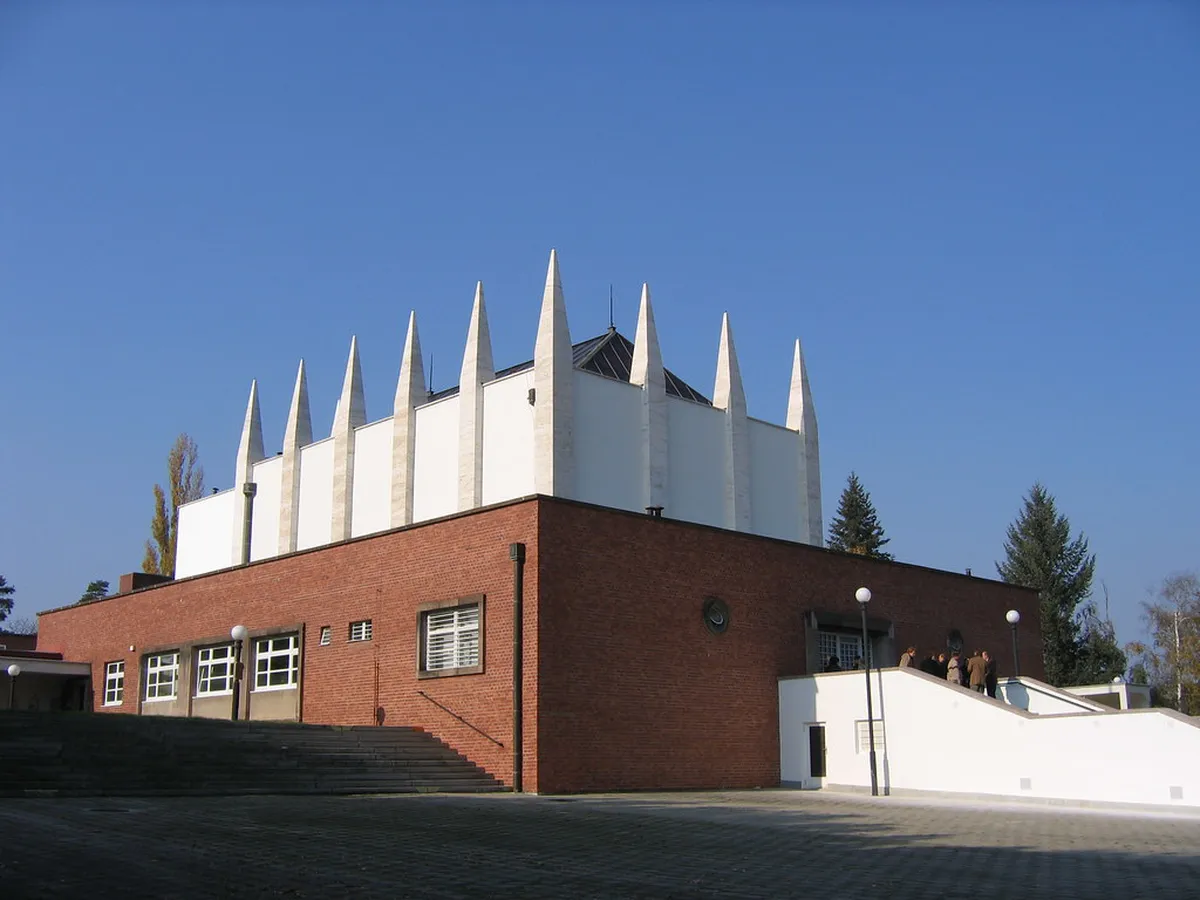
15:30 – 17:30: Visit the Brno Crematorium at the Brno Central Cemetery. Designed by Ernst Wiesner, this is a somber and beautiful building. It is considered one of the finest examples of spiritual functionalism in the world. The white pillars reach toward the sky in a unique way.
Optional Swap: If you prefer nature, visit the Brno Reservoir instead. You can see the functionalist Sokol swimming club building there. It is a great spot for a boat ride in the summer months.
Logistics Tip: Take the number 1 tram to reach the Exhibition Centre. The cemetery is also easily reached by tram from the main station. Check the DPMB public transport site for live schedules.
Practical Tips for Your Architecture Tour
Planning is key for an architecture tour in Brno. Many villas require guided tours that fill up quickly. Always book your tickets online at least two to three months before your visit. This is especially true for Villa Tugendhat.
Brno is very walkable, but the tram system is excellent. You can buy a 24-hour or 72-hour pass to save money. Most ticket machines accept contactless cards for easy payment. This makes moving between the city center and the Exhibition Centre very simple.
For the best experience, stay in a central hotel or a boutique apartment. Look for buildings in the Veveří or Černá Pole neighborhoods. These areas have many functionalist houses you can see just by walking the streets. You will feel like you have stepped back into 1930.
Don't forget to look for the small details. Functionalism is about more than just big walls. Look at the door handles, the light fixtures, and the window frames. These small touches show the high quality of Czech craftsmanship from that era.
Frequently Asked Questions
Why is Brno famous for functionalist architecture?
Brno became a center for modernism after World War I. The city grew rapidly and needed new buildings. Local architects embraced the Bauhaus style. They created a unique look that combined utility with high-quality materials. Today, it remains one of the best-preserved collections of modernism in Europe.
Do I need to book Villa Tugendhat in advance?
Yes, you must book Villa Tugendhat months ahead of time. It is a UNESCO site with very limited daily capacity. If tours are full, you can still buy a garden ticket. This allows you to see the exterior and the beautiful grounds without a guided tour.
Is Brno easy to navigate for English speakers?
Yes, Brno is very friendly for international travelers. Most museums and architectural sites provide English descriptions. Public transport signs are clear, and younger locals speak English well. Carrying a digital map will help you find the specific street addresses of smaller villas.
Brno is a dream destination for fans of modern design. This Brno functionalist architecture guide shows that the city is a living museum. From the luxury of Villa Tugendhat to the utility of the Exhibition Centre, there is so much to see. We hope this 3-day itinerary helps you appreciate the beauty of simple lines and functional spaces. For more tips on exploring the Czech Republic, visit our main travel page. Enjoy your journey through the history of the future!
Official resources
Use these sources for official schedules, tickets, routes, and updates.
- Go To Brno — Official tourism portal; unverified source.
- City of Brno — Official municipal portal; unverified source.
- UNESCO World Heritage - Villa Tugendhat — International heritage designation; unverified source.
- Lonely Planet Brno — Major editorial travel guide; unverified source.
- Visit Czechia — National tourism board; unverified source.